
Image From Rolling Stone
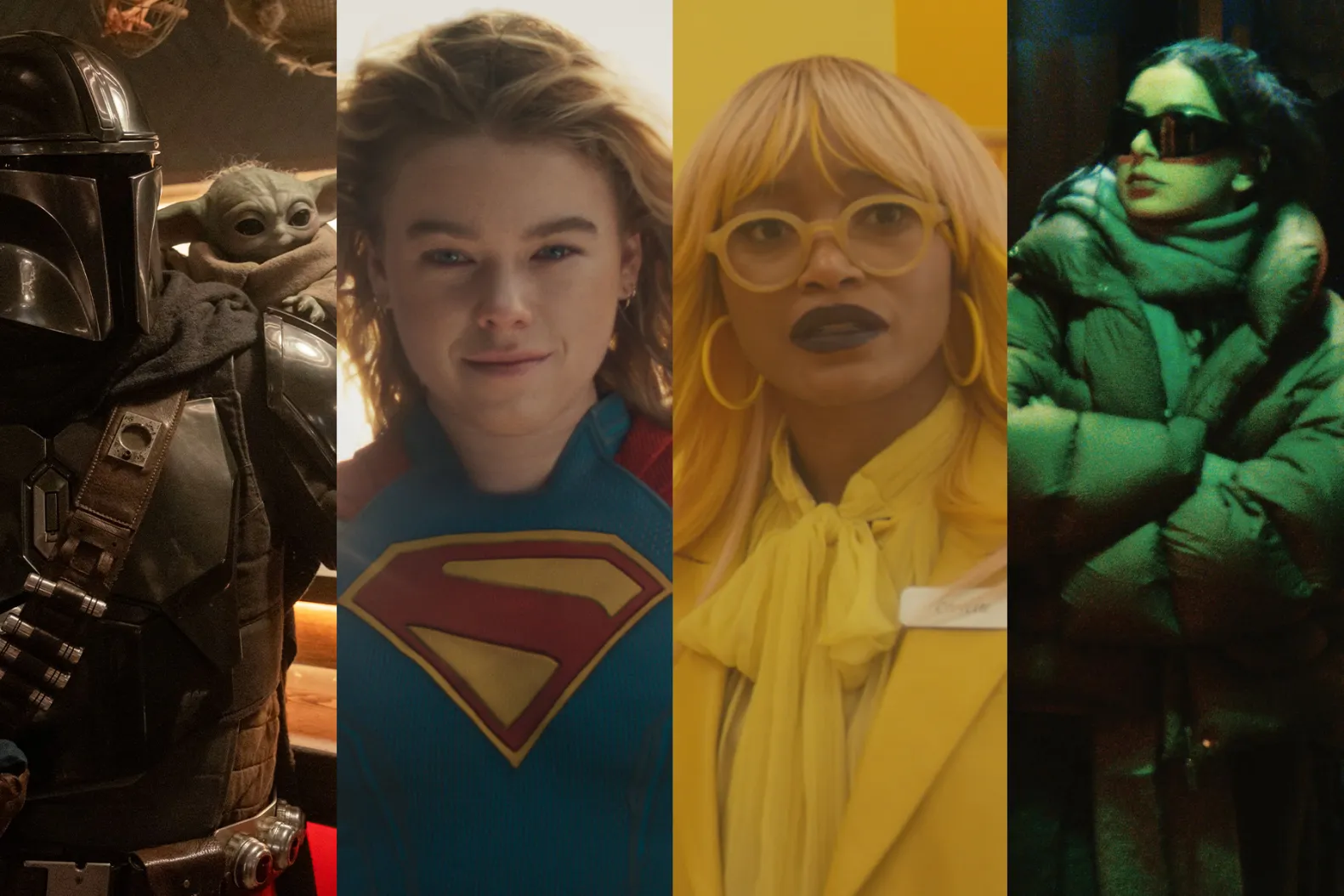
Thinking back even a few years ago, when a new Marvel or DC movie came out, there was a certain energy and suspense among the public; the rivalry between the two universes was strong and families eagerly lined up outside theaters, popcorn and drinks in hand, ready to watch the next blockbuster hit. This summer alone, theaters are set to see releases like Christopher Nolan’s The Odyssey, Avengers: Doomsday, Dune: Part Three, Michael, The Mandalorian & Grogu, James Gunn’s Supergirl, and a live-action Moana. With these big titles, one might expect an excited buzz around the releases.
Now, that feeling seems harder to find. Many feel that the production quality and excitement surrounding releases has taken a hit due to the quantity of media being produced. Over the past decade, these franchises have expanded at paces that would have once been unimaginable in the early days of the MCU, DCU, or Star Wars galaxy. What used to be characterized by careful anticipation, for many viewers, doesn’t feel as thrilling, with one student stating, “It feels more like filling a streaming library than actually telling a story.” Since 2021 alone, Disney+ has released over a dozen Marvel series, from WandaVision and Loki to Secret Invasion and Echo, often dropping new content before audiences have had time to sit with what came before. Star Wars followed a similar path, launching The Book of Boba Fett, Obi-Wan Kenobi, Andor, and The Acolyte all in rapid succession. And somehow, simultaneously, many production houses are increasing the time in between individual seasons and reducing the number of episodes: Loki season two arrived over two years after its first, and most Marvel Disney+ shows cap out at six to nine episodes.
Studios appear caught between two competing pressures: the need to maintain a recognizable formula and the desire to innovate. Many recent releases repeat the same tone and plot points that defined earlier successes. For example, Ant-Man and the Wasp: Quantumania, Thor: Love and Thunder, and Black Adam all leaned on the same idea of a reluctant hero, comedic relief, and a showdown to tie it all together. What once felt fresh now risks feeling repetitive.
So, the question remains: do franchises still feel special?
WHS English teacher and film fan Mr. Hagman says, “I think, up until recently, they were kind of bogging it down a bit too much. There was just too much coming out and not enough quality control. They keep trying to hearken back to the formula that worked when it first got going, like having a high-stakes situation but also a funny comedy element. That was good in 2008 and for a good while, but they keep trying to ride that vibe. It’s not saying it has to be all super serious or all dumb, but there’s got to be some change. Some of the ways they’ve tried changing it up just haven’t worked, and that’s okay.”
And yet, when projects do break away from that formula, they tend to stand out. One example of this is James Gunn’s Superman, which was released this past summer. Rather than leaning on an established cinematic universe or a decade of audience investment, it reintroduced Clark Kent as genuinely warm and vulnerable. By highlighting Superman’s authentic optimism and innate kindness, making him more human, Gunn departed from the typical cynical, dark tropes (like the previous Superman and other grittier, more detached superhero films that dominated the 2010s). The film’s strong opening and largely enthusiastic reception suggest that audiences are not tired of the genre but rather the predictability, and complex, grim storylines. Superman brought some of the largest crowds to the theater in recent memory, capitalizing on social conversation and that tonal shift.
Another factor reshaping audience experience is time. Modern streaming schedules have stretched narratives across longer gaps with fewer episodes, a sharp contrast to earlier television formats from the 2000s and early 2010s, like Smallville and Arrow, that delivered more than 20 episodes in a single season. While this shift raises expectations for quality, it also changes how audiences engage. Fewer episodes and longer waits make a single weak installment with even a singular filler episode more significant, disrupting momentum rather than blending into a larger arc. In Loki’s season two, the controversial “bottle episode” drew significant criticism precisely because, in a shorter run, one misstep feels like a much larger loss of the story rather than a minor detour in a 22-episode arc, like Flash or Supergirl.
Beyond production, the way audiences consume content has also transformed. Social media now acts as both an amplifier and filter, making entire storylines watchable in short clips, edits, and reactions. In some cases, viewers encounter key moments out of context, altering the feeling of discovery that comes with watching the whole franchise. Recently, nearly the entirety of a new Avatar: The Last Airbender movie leaked via Tiktok, with fans getting full access to years of effort, reducing the likelihood of watching at the official release. The same student states, “You basically get the best moments before you even see the movie. Someone posts a spoiler edit or leak with a trending audio and it gets like two million views, so by the time you actually watch it you already know what happens. It takes away that experience of being surprised in the theater.”
At the same time, watching itself has become more fragmented with the shift from theaters to streaming introducing distractions that didn’t exist before. In the theatre, you can’t take a quick glance at a phone or pause the screen.
So perhaps the shift isn’t negative, but rather a new direction that the media industry will adapt to.

Kavya Datt is a senior at Washington High School, born and raised in the Bay Area, California. This is her first year writing for the Hatchet, and likes writing about global issues and community impact stories. Outside of journalism, she’s heavily involved with debate, a few clubs on campus, and a long time community volunteer. In her free time, she enjoys painting, reading, traveling, and binge-watching shows. In the future, she hopes to study something interdisciplinary in policy and global affairs, combining research and advocacy.