
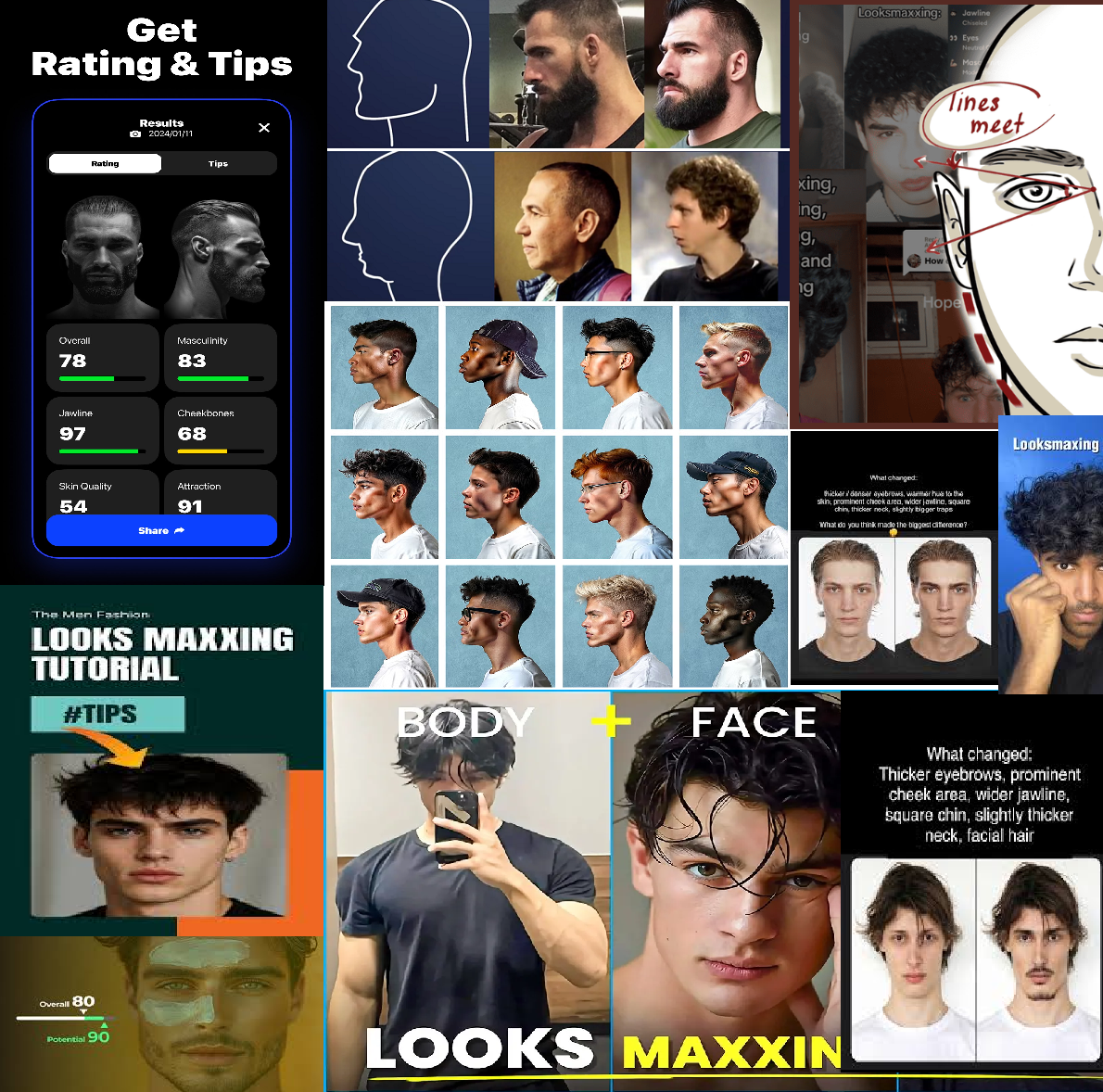
Looksmaxing, a trend focused on improving physical appearance, has become increasingly common among teenage boys, fueled largely by social media platforms like TikTok. What began in niche online forums has evolved into a mainstream conversation, encouraging everything from fitness and grooming routines to far more extreme practices. As the trend spreads, students at Washington are divided on whether looksmaxing offers motivation and confidence or creates unhealthy pressure and insecurity. One area of controversy is what’s known as “blackpill” edits, which first highlight flaws and then later show genetically perfect people, who are known as “mogged.”
For some students, looksmaxing is simply a reminder to take better care of themselves. Junior Kai Roldan believes the appeal comes from an uncomfortable truth: “People judge looks, whether they admit it or not,” he said. From his experience, improving his appearance has made everyday interactions easier, particularly in social settings. “Constantly improving your looks makes things easier, like talking to people and just self-confidence in general,” he says.
That sense of control is a major reason Roldan continues to engage with the trend. “It made me feel more confident and in control of many things,” he said, adding that while looksmaxing can create pressure, it ultimately motivates him. “It pushes me to improve instead of staying stuck in bad habits or laziness.”
Senior Ehkam Braich shares that belief in self-improvement but emphasizes balance. He sees looksmaxing as a response to the loss of structure many students experienced after the COVID-19 pandemic. “I think it’s a good thing because it encourages self-improvement,” Braich said. Like Roldan, he has adopted some of its ideas, but with clear limits. “I’ve taken some tips from it, but not to the extreme of messing with my bone structure,” he said. “I think it’s made me a better person.”
Where Braich becomes cautious is when self-improvement turns into obsession. He believes confidence depends on how looksmaxing is approached. “If you do it the right way, like with the gym, it makes you more confident,” he said. “But if you do it in the wrong way, you become a lot more insecure.” That line is often crossed, he added, in the form of blackpill edits—videos that compare people’s appearances in a degrading way. “That’s unfair,” Braich said. “Looksmaxing should be a tool to encourage others to be better, not to make people feel bad.”
Others argue that those harmful elements aren’t exceptions but central to the culture itself. Senior Lukas Lyssand strongly criticized the looksmaxing community, saying its message often revolves around tearing others down. “I do not like the looksmaxing community or anything to do with it,” he said. “They say only looks matter, but that’s not really true.”
Lyssand described blackpill edits as “terrible” and “mean,” explaining that while basic self-care is healthy, the community’s mindset takes it too far. “Doing stuff to improve your looks is okay,” he said, “but the way they go about everything is the worst way possible.” He believes many popular figures within the trend promote shallow values that damage self-esteem rather than build it. “I think they make every guy who follows them hate themselves,” he added.
Together, these perspectives reflect a larger conversation happening among teens about identity, confidence, and self-worth in the digital age. As the trend continues to grow online, students are left deciding whether looksmaxing is a path toward confidence or a pressure that demands perfection.

Haneul Lach is a senior at Washington high school. Born and raised in Fremont, this is his first year working on the Hatchet, with interests in journalism and books. He is a varsity water polo player and swimmer who enjoys hiking and being outside, in any setting. He plans on attending a west coast college and pursuing a double major of fire science and communications.