
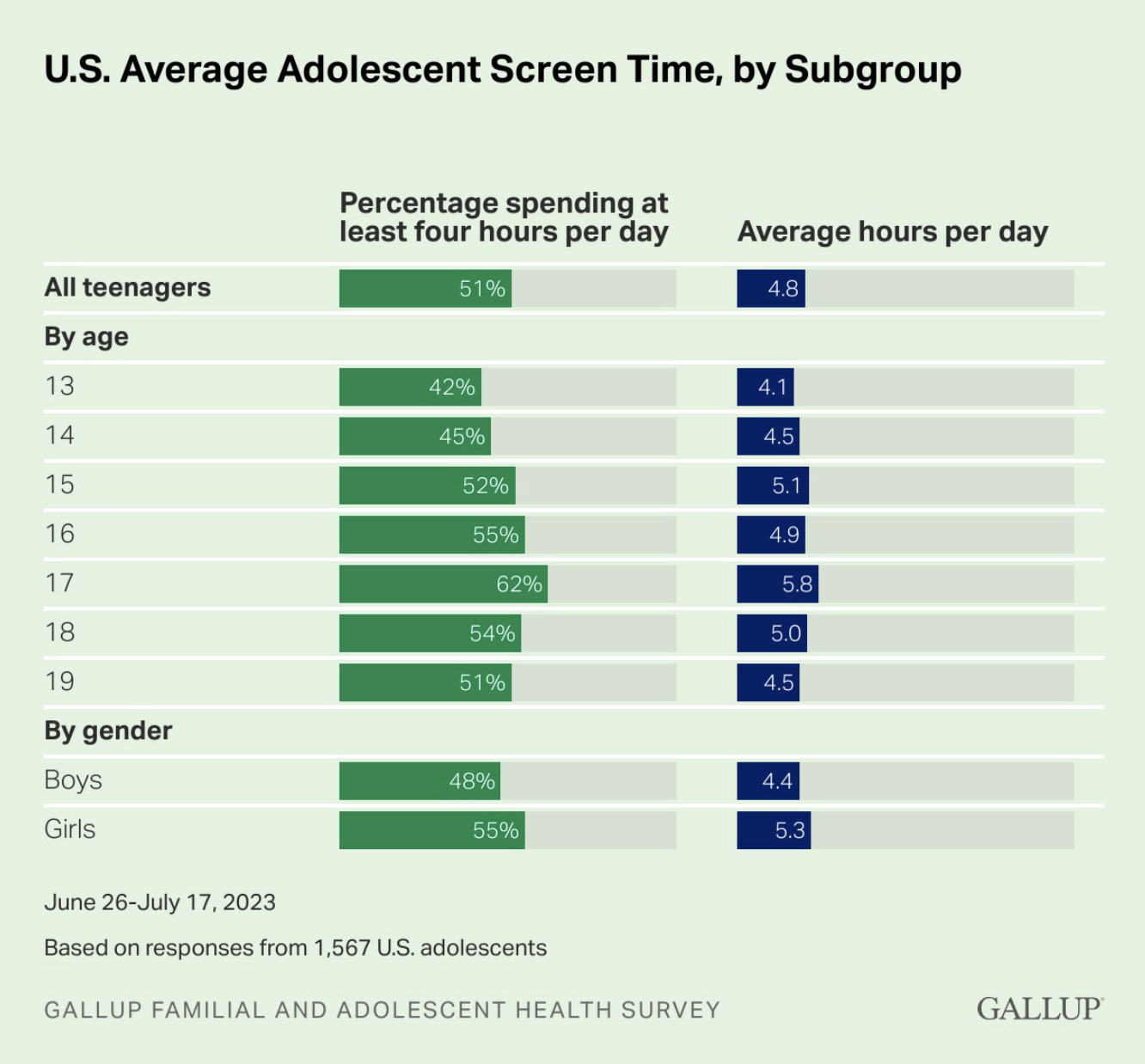
There was a time when being alone meant living life without constant notifications, music, and endless scrolling. However, the type of solitude we once had is growing increasingly rare with every new technological innovation. Many students, including myself, walk out of the 50s wing, put in both AirPods, and listen to one song before getting to the E-building. But why? Even at home, quiet moments like lying in bed or waiting for your microwave to finish are filled with digital stimulation. Technology has not removed solitude entirely, but it has definitely changed how people experience it.
Decades ago, people of all ages had to wait in front of TVs for news broadcasts, call friends using landlines, and play games on computers that would take minutes to boot up. However, digital devices today provide no wait time; a response within seconds is expected when you search something up on Google. As revolutionary as the advent of technology is, it has ultimately killed our patience and set up a system where dopamine is streamlined into our brains without much effort. The Journal of Ethics notes that when people rely heavily on digital interaction, they may engage less in introspection, which is key to emotional development.
One reason people may feel uncomfortable with silence is because technology trains the brain to expect constant input. Platforms like TikTok or Spotify provide continuous entertainment, making it easy to avoid boredom. A study conducted by Gu in mainland China showed that boredom proneness (measured via the Boredom Proneness Scale) increased dramatically from 2009 to 2020 among Chinese college students.
Another consequence of constant stimulation is its impact on attention span and focus. When the brain becomes accustomed to quick, short-form content, it begins to expect that same level of stimulation in other areas of life. For instance, if someone doomscrolls on TikTok for two hours, and wants to perform a task that requires sustained attention, such as studying or even conversing with friends, doing so can start to feel difficult and less engaging. Over time, this makes it harder for people to concentrate without distractions.
The constant need for stimulation can also limit creativity. Some might believe that the more they scroll, the more chances they’d have of finding something that would inspire them. However, some of the most original ideas come during moments of boredom, when the mind is left alone to wander and drift aimlessly. Without those quiet introspective moments, people may lose opportunities to think deeply or reflect on their own experiences. Instead of processing thoughts, many choose to escape them. For example, it has become common for students to reach for their phones the moment they wake up or right before they go to sleep, filling what could be reflective time with content consumption.
There are also emotional consequences to avoiding silence. Time alone allows people to understand their thoughts and themselves; people often find themselves building a sense of purpose when they sit and think about what they are doing or what they want in life. Without that time, it becomes easier to ignore problems rather than confront them.
Ultimately, the issue is not technology itself, but how it is used. Constant stimulation has become normalized, making silence feel uncomfortable rather than natural. However, learning to sit with that discomfort can help rebuild the ability to be alone. In a world where noise floods every one of our senses, choosing silence may be one of the most important habits to relearn.

Vishakh Pillai takes pride in growing up in the happiest city in America. Although it’s his first year working for the newspaper, he’s determined to see it grow. Vishakh hopes to cover student life and how different people interact with the world. In the meantime, Vishakh often spends time with his dog, Sparky, and goes out to try different food in the Bay. As for the future, he hopes to attend one of the several UCs in SoCal, as he wishes to settle down and enjoy the weather there.