
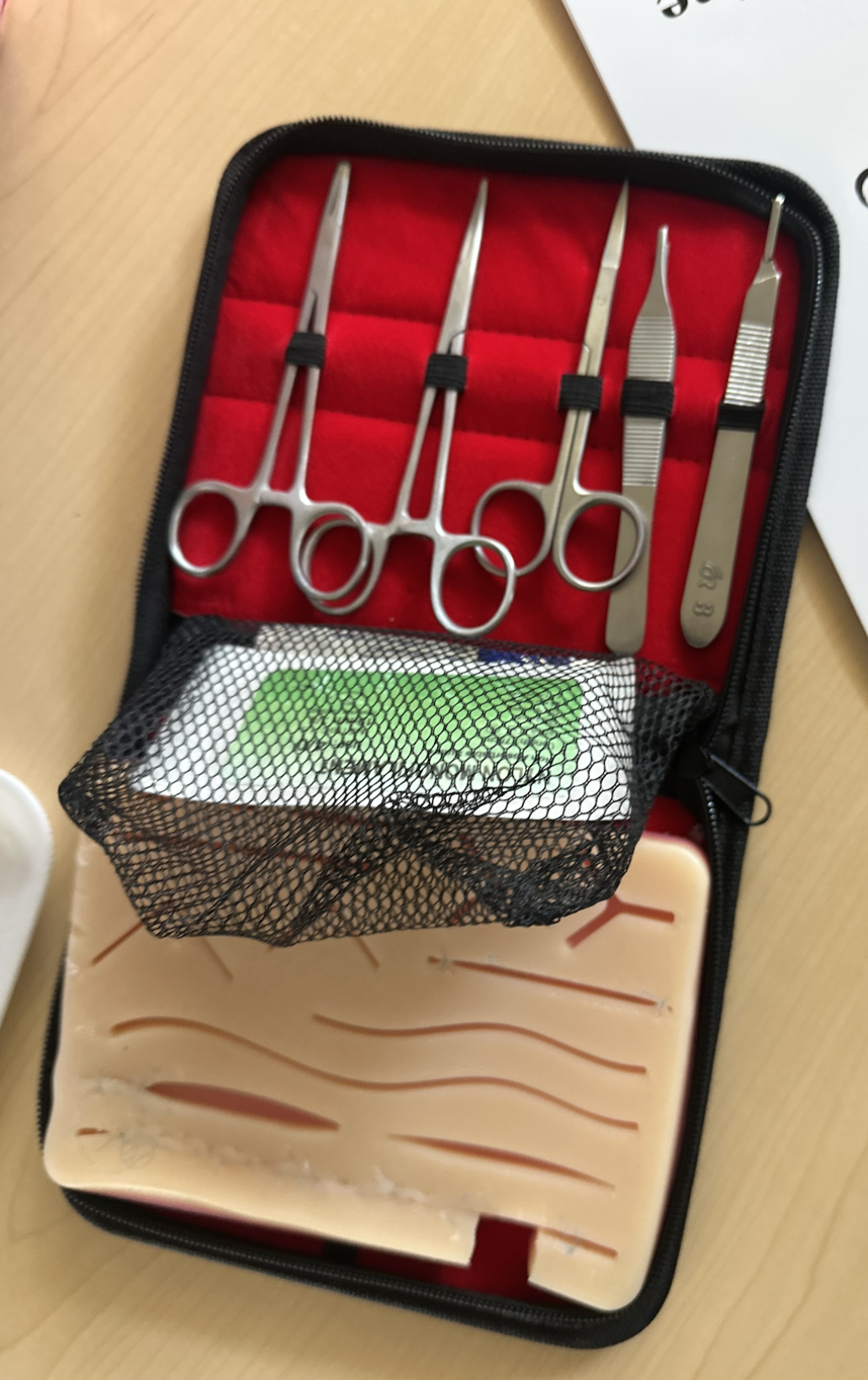
Photo Credits: Rehan Sabeer
Every fall, millions of high school students look to make a leap in their lives by applying to colleges across the United States. Admissions offices look at a variety of factors when making the complicated decision of whether a student should be admitted or not. I absolutely hate how the most significant factors that can make or break a student’s admissions are grades and standardized test scores. These are the primary markers of how much potential the student has from an admission officer’s point of view. However, in a rapidly changing world, I strongly argue it may be time to start valuing what students do outside of the classroom more than academic performances. These can include hands-on jobs, research, leadership roles, projects, and so much more. At the end of the day, these prepare students for the real world far more than an A on a test.
I find it ridiculous how colleges often take an applicant’s academic profile as the highest consideration. A student could build a whole startup, have an amazing internship, and colleges will still find a way to reject them simply because of a mediocre GPA or low SAT score. Honestly, I don’t understand why numbers have to play such a huge role in how programs view students. Educational performance only shows a fraction of what a student is capable of. It doesn’t always show the creativity, resilience, or initiative of the student. A student could build a nonprofit, intern at a local company, or engineer a robotics project and develop real world skills that would, in my opinion, benefit them in college more than being strong in test-taking. A 2022 survey from the National Association for College Admission Counseling found that “real-world engagement” gave applicants an advantage. Employers say the top skills they want are problem-solving, communication, and teamwork. These skills are usually gained and strengthened outside of the classroom.
For example, let’s look at Steve Jobs. Steve Jobs was a college dropout who relied on extremely strong hands-on tinkering and experimentation to co-found a company we all know, Apple. He built the company from scratch in his garage: his success clearly shows that hands-on experience often matters more in the real world. Prioritizing hands-on experience would open the doors to students who thrive through action rather than studying. Not every student fits into the system where academic performance defines so much of how colleges look at students. Valuing internships, personal projects, and entrepreneurial efforts would, without a doubt, lead colleges to select students that are better prepared for success in the real world.

Rehen Sabeer is a senior at Washington High School. He moved from Phoenix, Arizona to Fremont when he was 3 years old. This is his first year being a part of the Hatchet, and he is excited to take this opportunity to learn about his peers’ senior experiences and relate them to his own. Rehan enjoys playing and watching basketball in his free time. He also enjoys entrepreneurship, creating new businesses in addition to contributing to the success of existing ones. After high school, Rehan looks to major in Applied Math in college.